

Blog
The Digital Backpack
Your resource for online learning
Your trusted source for K-12 online learning insights, teaching strategies, and success stories from Michigan’s leading virtual education provider. Join us as we explore innovative approaches to help students thrive in the digital age.
The conflicted history & achievable future of social emotional learning
 Michigan Virtual
Meet Lauren Kazee, one of Michigan’s leading experts on social emotional learning or “SEL,” who shares her personal definition of SEL, dives into the history of this concept, and offers advice for educators looking to prioritize their own social and emotional wellness and model this behavior for their students.

Teacher recruitment and retention: A snapshot of an ongoing crisis
 Ed Timke
There is a teacher recruitment and retention crisis in Michigan and across the country. Why is there a crisis? What can be done? This first post in a blog series on teacher recruitment and retention provides a snapshot of the crisis and some initial recommendations on how to fight it.
The beautifully unclear future of educational technology
Michigan Virtual
Meet Sarah Wood, an educational technology consultant for Kent Intermediate School District, who shares her reflections on the recent history, current state, and beautifully unclear future of technology in the classroom.
How can we go beyond requirements & take pressure out of learning?
Michigan Virtual
Meet Erin Carlson, an English teacher at Sandusky Jr./Sr. High School who shares her journey in creating requirement-free learning opportunities for her students.

Bringing big ideas to life with design thinking
Michigan Virtual
Meet David Byron, director of innovation strategy at Sundberg-Ferar, a product innovation studio in Walled Lake, who explains how the tried & true process of design thinking can help students and adults alike in solving complicated problems, such as the many and multifaceted issues facing the field of education today.
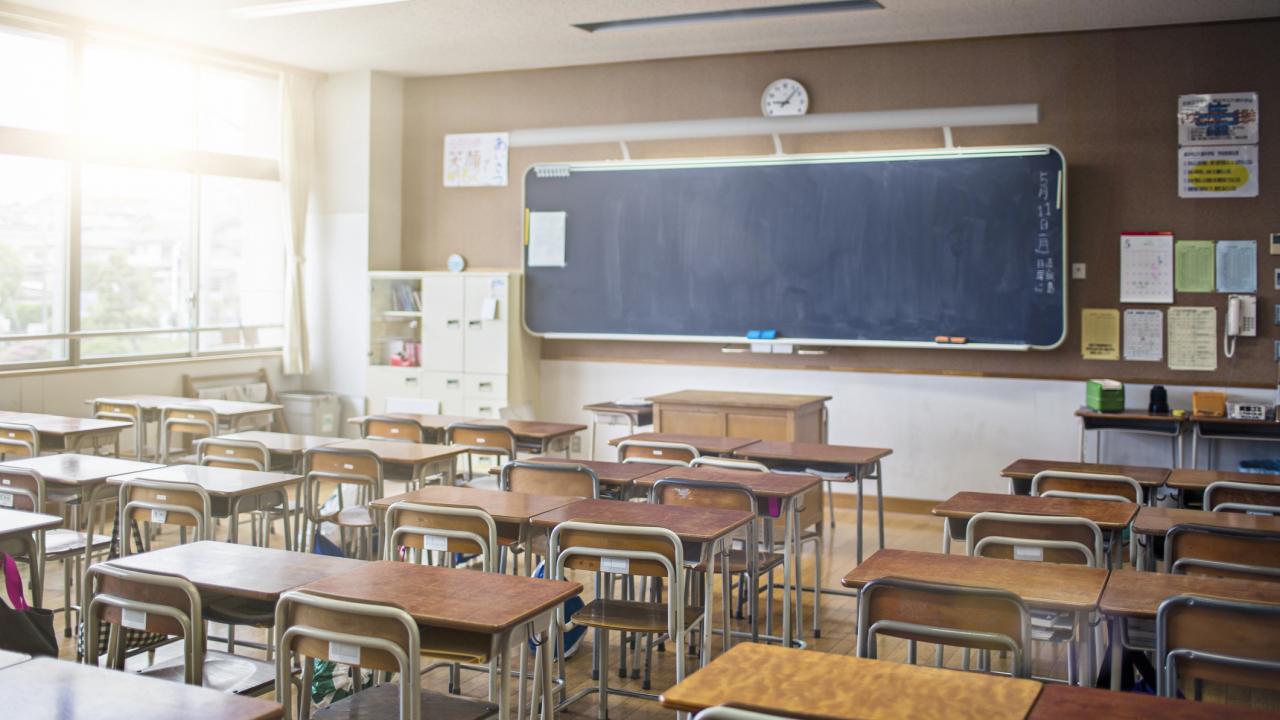
Why are schools making learning student-centered?
 Christa Green
While the more traditional teacher-centered model of education does work for some students, it does not work for all.

How might artificial intelligence change the way we teach?
Michigan Virtual
Meet Lou Aronson, the CEO and founder of a company called Discourse Analytics. He shares his perspective on how artificial intelligence (AI) has the potential to transform the way we teach and learn.

Case Study: Students Thriving Online
Michigan Virtual
Students gain important life skills in addition to academic content

4 differences between traditional teaching methods and competency-based education
 Nikolas McGehee
What is competency-based education, and why are so many schools making the switch?Competency-Based Education (CBE) is a student-centered method that allows students to work asynchronously on their ski

What is human-centered design?
 David Byron
Human-centered design is focused, action-oriented, and most of all, empathetic. Its tenets are similar to what it takes to be a good educator. Learn about the correlation between good human-centered d

My child is taking a competency-based course. What should I expect?
Nikolas McGehee
What is CBE, and what makes it different from how things used to be?Competency-based education (CBE) is an approach to teaching and learning that focuses on the mastery of skill sets within a subject

Research on Blended Learning, Teaching, & Professional Development
 Kristen DeBruler, PhD
In 2020, we published a 10 report series summarizing the findings of all of the research we’ve conducted to date. Nearly 100 resources were included in this review, and collectively they provide valua
What's the Secret to Keeping Students Motivated in Online Learning?
Michigan Virtual
Meet Dr. Chris Harrington, the director of the Michigan Virtual Learning Research Institute, who shares his reflections on “pandemic teaching,” common misconceptions about online learning, and the findings of his team's landmark research study on keeping students engaged in virtual learning environments.
Becoming a Voice for the Voiceless
Michigan Virtual
Meet Kyron Harvell, the director of the school culture and climate grant for Lansing School District, who shares his mission of serving as a voice for the voiceless in his school community. In this episode of BRIGHT, we explore how Kyron and his team are cultivating a culture of inclusivity in Lansing centered around equitable access to learning opportunities, culturally responsive practices, social emotional learning, and restorative justice.

Research on Michigan’s K-12 Online Learning Demographics, Effectiveness, Evaluation, Quality, & Policy
Kristen DeBruler, PhD
In 2020, we published a 10 report series summarizing the findings of all of the research we’ve conducted to date. Nearly 100 resources were included in this review, and collectively they provide valua
The Delightful Power of Music to Make Learning More Engaging
Michigan Virtual
Meet Ben Ashby, a Spanish teacher at Zeeland Public Schools and an online Spanish instructor for Michigan Virtual. In this episode of BRIGHT, we talk about the role music plays in learning, how online teaching has influenced the way he runs his face-to-face classroom and vice versa, and his hopes for education as we look to the future.
How to Reignite Love for Learning with a Project-Based Curriculum
Michigan Virtual
For all students — but especially for those who struggle in the traditional classroom — project-based learning can offer an opportunity to rediscover the joy of learning. In this episode of BRIGHT, we talk to Dr. Sarah Pazur, the director of school leadership at FlexTech High School, who shares the why and how behind this vision for learning along with examples of some really cool projects that allowed students to explore their interests, meet core competencies, and have real-world impacts.

On the other side of online learning
 Shannon Smith
What are students supposed to count on during times of uncertainty and change? Forced to suddenly move from a traditional face-to-face routine to a foreign landscape that doesn’t make sense, how will

How Can We Make School A Place Students WANT to Be?
Michigan Virtual
Meet Kyle Saari, a fifth-grade teacher for Negaunee Public Schools, who reminds us that “comfort leads to confidence” and that when students are excited to be at school and take ownership over their learning, the results can be absolutely incredible.
Competency-Based Education and the Classroom Challenges
Nikolas McGehee
What is Competency-Based Education?Competency-Based Education (or CBE) is a system-wide school model in which students work towards attaining mastery of specific core competencies or skills within a s
Subscribe to our blog!
Categories
- Accessibility (3)
- Artificial Intelligence (23)
- Blended Learning (40)
- Bright (45)
- EdTech (5)
- Esports (1)
- Homeschool (10)
- Instructional Design (12)
- Leadership (40)
- Mentoring (9)
- Online Learning (62)
- Online Teaching (9)
- Podcasts (103)
- Professional Development (16)
- Research (253)
- Restorative Practices (3)
- School Leader Insights (22)
- Social Emotional Learning (26)
- Student-Centered Learning (22)
- Summer Learning (5)
- Teacher Recruitment & Retention (4)
- Teacher Spotlight (1)
- Teaching (23)
- Tips and Tools (27)
- Web 3.0 (3)