

Category: Student-Centered Learning
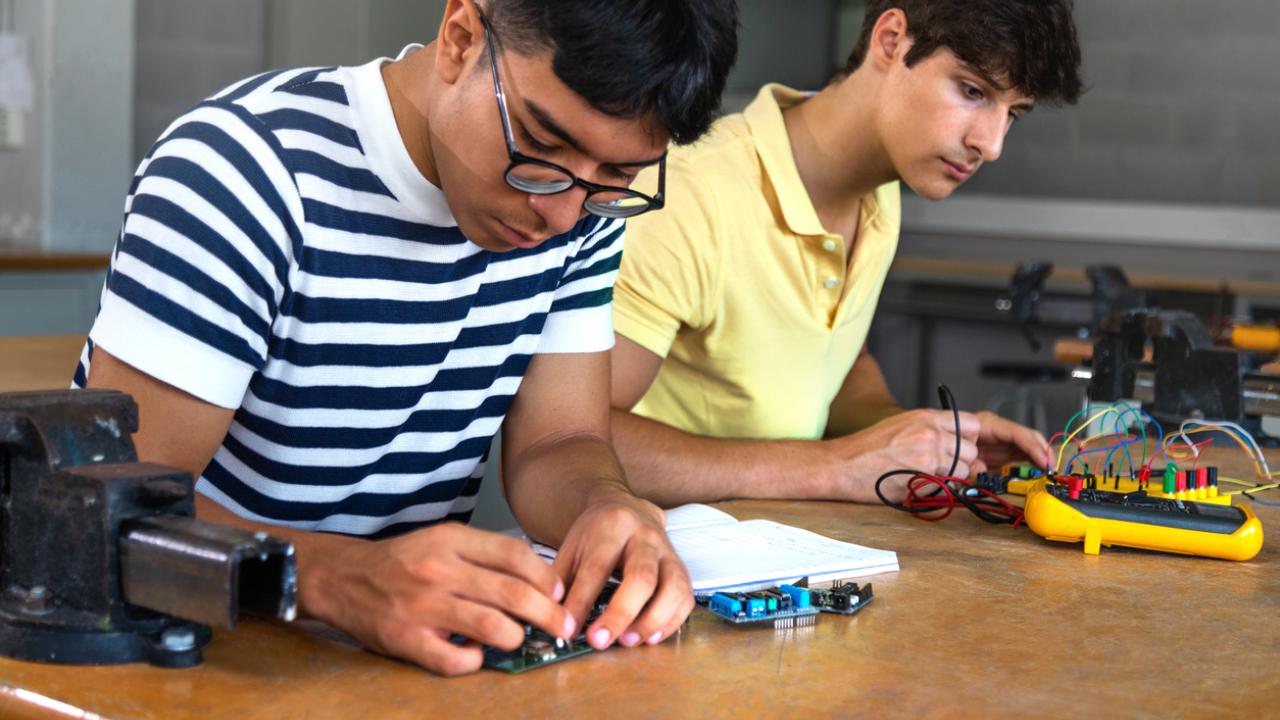
Project-Based Learning and Competency-Based Education Work Together at FlexTech: An Interview with an Educator
 Christa Green
By blending project-based learning with competency-based education, FlexTech aims to provide a personalized path to graduation, meeting both academic standards and students’ personal growth goals.
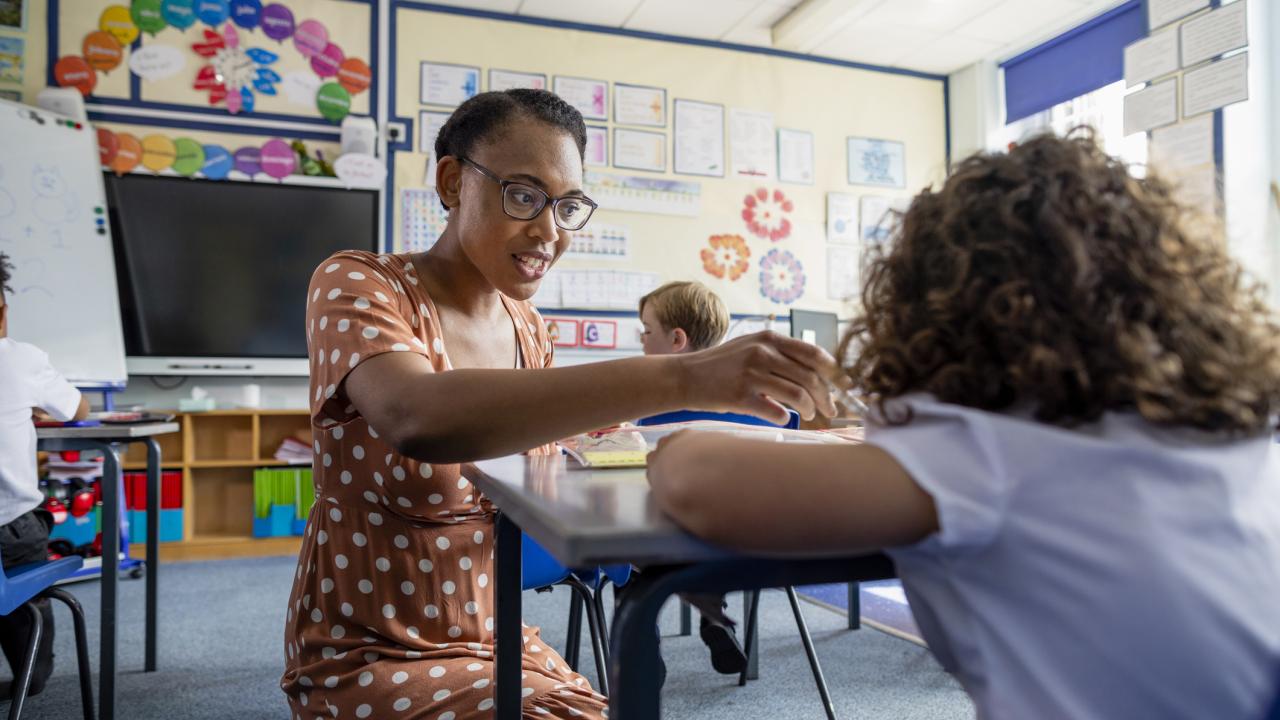
Three surprising benefits of holding structured check-ins with students (plus a free template!)
 Anne Perez
Looking to cultivate a more student-centered classroom? Try holding structured check-ins with students. You'll immediately start seeing these three key benefits.



How School Leaders Can Support Teachers in Making the Shift Toward Student-Centered Learning
Christa Green
Common themes emerged around the supports that school leaders have put in place as their district makes the shift toward student-centered learning. We hope their insights and advice provide some guidance for other school leaders who may be just getting started.

Challenges (and Opportunities) When Implementing Student-Centered Learning Models
Christa Green
Shifting to a more student-centered learning model can and will present many challenges, but it’s also an opportunity to design learning differently.

Monitoring Student Needs and Progress in a Student-Centered Classroom
Christa Green
In a truly student-centered learning environment, it really goes beyond just data. Teachers and administrators should look at the whole child, considering both their academic and non-academic needs.
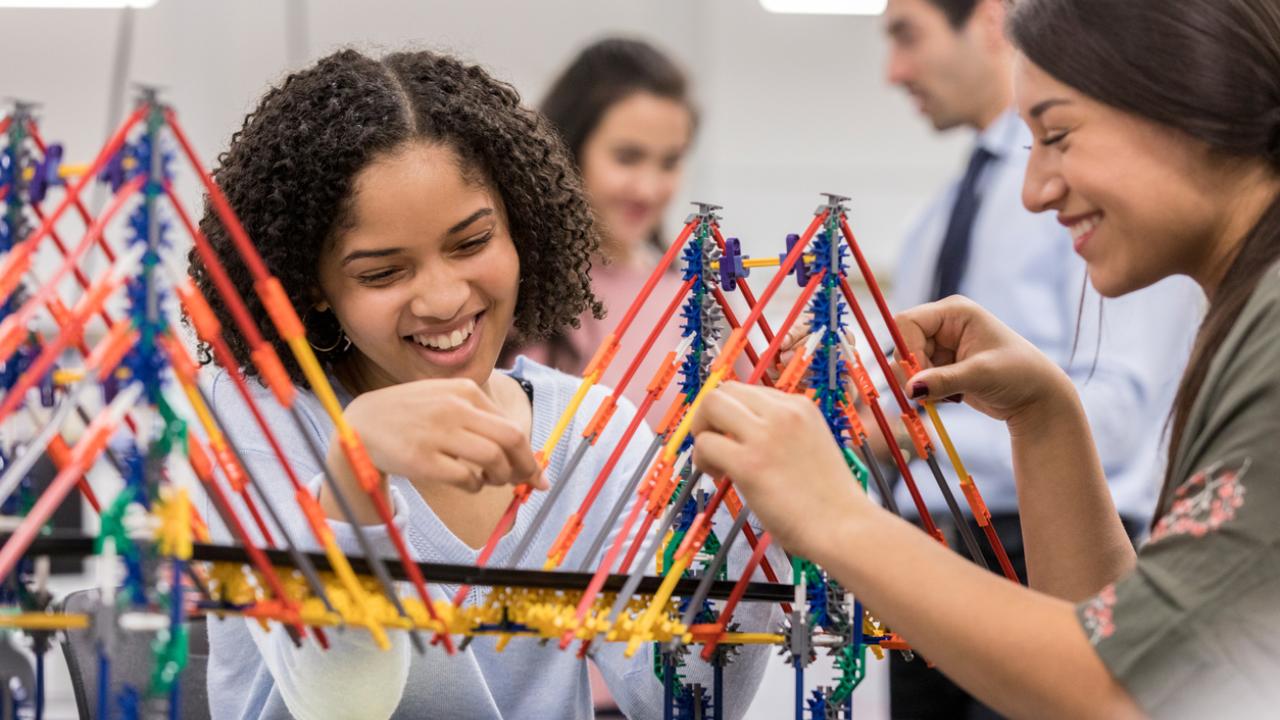
A Competency-Based Approach to Student-Centered Learning
Christa Green
Creating competencies and designing flexible learning opportunities that allow students to demonstrate mastery of these competencies on their own pathway and at their own pace is one piece of designing a learning environment that is student-centered.

Making Learning Student-Centered: Providing Voice and Choice
Christa Green
We know that not all students learn in the same way. Why is it then that in the traditional model of education, we expect students to learn along the same pathway at the same time?
Why are schools making learning student-centered?
Christa Green
While the more traditional teacher-centered model of education does work for some students, it does not work for all.

Looking Ahead: How to Thrive in (and Beyond) the 2020-21 School Year
 Michigan Virtual Learning Research Institute
What steps can you be taking now to better prepare your students, yourself, and your school district for the future? When you think about the learning environment that your students will need, does it encompass any of the principles of student-centered learning?

Increasing Learner Agency Through Continuous Monitoring of Student Needs
Michigan Virtual Learning Research Institute
Student-centered learning is about more than just putting students at the center of education. It is about giving each student the opportunity for success. It is about designing learning to be flexible and adaptable for each learner, not just the average student. It is about understanding the whole child—what they need both academically and non-academically—and giving students the skills they need for success within and beyond the classroom.

Taking a moment to dream: How can we reimagine what ‘school’ looks like?
 Michigan Virtual
It might as well be the motto of 2020: Things aren’t going quite the way that we had hoped. . . Alright. Now, what can we learn from it? How can we do better in the future?

Competency-Based Progression: Designed for Student Success
Michigan Virtual Learning Research Institute
As we transition into another school year faced with many uncertainties, maybe it doesn’t make sense to try and get back to “normal.” Maybe the need for learning continuity and remote learning actually provides us with an opportunity to look at teaching and learning differently. Maybe this is an opportunity to rethink what we know and believe education to be. Maybe this is an opportunity to make learning more student-centered.

How Implementing Voice & Choice Can Improve Student Engagement
Michigan Virtual Learning Research Institute
Schools will look different this fall, there’s no doubt. However, the need to rapidly adopt virtual learning is no longer an emergency. We knew it was coming. So what can we do differently this time?

Student-Centered Learning at Fraser Public Schools
Michigan Virtual Learning Research Institute
Competency-based learning. Asking kids to do things rather than know things. Designing learning for all. Just some of the ways in which at Fraser, learning drives innovation.

Student-Centered Learning at FlexTech High Schools
Michigan Virtual Learning Research Institute
Student-centered by design. Meeting kids where they are. Competency-based learning. Project-based curriculum. Just some of the ways FlexTech is giving students permission to choose rather than deciding for them.

Student-Centered Learning at Hamilton Community Schools
Michigan Virtual Learning Research Institute
Flexible learning options. Standards-based grading. Blended learning, teaching, and coaching. Just some of the ways in which “Each Will Thrive” at Hamilton Community Schools.

Student-Centered Learning: Catalysts for Change
Michigan Virtual Learning Research Institute
Are there naturally occurring situations or circumstances in education that serve as catalysts, facilitating change and giving student-centered learning momentum?

Student-Centered Learning: The Impetus for Change
Michigan Virtual Learning Research Institute
Student-centered learning isn’t necessarily a new concept. In fact, in one area of education, we’ve already nailed it.

An Inside Look: Student-Centered Learning at Alpena Public Schools
Michigan Virtual Learning Research Institute
In a previous blog post, we defined student-centered learning in a theoretical sense. In this blog post, we get a glimpse into what a student-centered classroom looks and feels like in practice. Alpena Public Schools high school English teacher Kris Copping shares how she works in partnership with her students to create a student-centered learning environment.
Subscribe to our blog!
Categories
- Accessibility (3)
- Artificial Intelligence (27)
- Blended Learning (42)
- Bright (45)
- EdTech (6)
- Esports (1)
- Homeschool (11)
- Instructional Design (12)
- Leadership (41)
- Mentoring (9)
- Online Learning (63)
- Online Teaching (9)
- Podcasts (103)
- Professional Development (16)
- Research (253)
- Restorative Practices (3)
- School Leader Insights (22)
- Social Emotional Learning (27)
- Student-Centered Learning (22)
- Summer Learning (6)
- Teacher Recruitment & Retention (4)
- Teacher Spotlight (1)
- Teaching (23)
- Tips and Tools (27)
- Uncategorized (0)
- Web 3.0 (3)