

Category: Research

Michigan Virtual Research on Online Learning in Higher Education
 Kristen DeBruler, PhD
Research at the higher education level is well established and can provide valuable insights into online learning overall. It is important, however, to consider the unique needs of K-12 online learners as compared to adults when determining which research findings to apply.

Michigan Virtual Research on K-12 Online Teacher Preparation, Professional Development, & On-Site Mentoring
Kristen DeBruler, PhD
Teachers play a critical role in instruction regardless of if the instruction is face-to-face, fully online, or somewhere in between. Training for working effectively with remote students is critical now more than ever and should, at the very least in a small way, be part of traditional teacher preparation programs.



Teacher recruitment and retention: A snapshot of an ongoing crisis
 Ed Timke
There is a teacher recruitment and retention crisis in Michigan and across the country. Why is there a crisis? What can be done? This first post in a blog series on teacher recruitment and retention provides a snapshot of the crisis and some initial recommendations on how to fight it.
Why are schools making learning student-centered?
 Christa Green
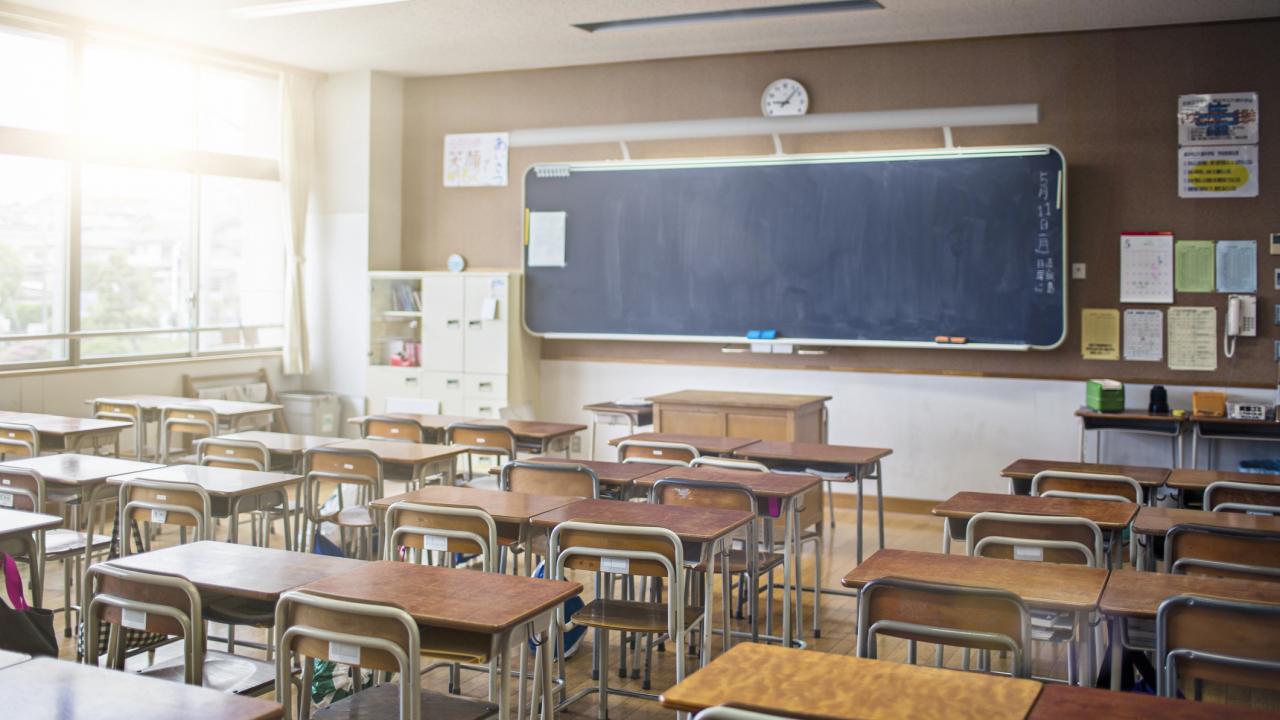
While the more traditional teacher-centered model of education does work for some students, it does not work for all.






Eight Years of Research on K-12 Special Populations and Motivation
Kristen DeBruler, PhD
Over the past eight years, Michigan Virtual has paid particular attention to online special populations and subsequently online student motivation. Our research team has focused on topics such as online credit recovery, supporting online students with disabilities, and the role of motivation in online courses.

Research on K-12 Online Best Practices
Kristen DeBruler, PhD
One of the first themes to clearly distinguish itself during the analysis of the reports published by Michigan Virtual was best practices in K-12 online learning. Over the last several years, our research team has explored factors for online student success such enrollment reason, student pacing, teacher-student communication, and instructor role.

Looking Ahead: How to Thrive in (and Beyond) the 2020-21 School Year
 Michigan Virtual Learning Research Institute
What steps can you be taking now to better prepare your students, yourself, and your school district for the future? When you think about the learning environment that your students will need, does it encompass any of the principles of student-centered learning?

Increasing Learner Agency Through Continuous Monitoring of Student Needs
Michigan Virtual Learning Research Institute
Student-centered learning is about more than just putting students at the center of education. It is about giving each student the opportunity for success. It is about designing learning to be flexible and adaptable for each learner, not just the average student. It is about understanding the whole child—what they need both academically and non-academically—and giving students the skills they need for success within and beyond the classroom.

Tips and Tricks for Communicating with Parents and Students
Michigan Virtual Learning Research Institute
During this time of remote learning, what are some best practices in the ways you communicate with your students and their parents? In this webinar, we’ll explore examples and tips for communication, specific tools and resources to aid this process, and lessons learned from applying these practices.

Competency-Based Progression: Designed for Student Success
Michigan Virtual Learning Research Institute
As we transition into another school year faced with many uncertainties, maybe it doesn’t make sense to try and get back to “normal.” Maybe the need for learning continuity and remote learning actually provides us with an opportunity to look at teaching and learning differently. Maybe this is an opportunity to rethink what we know and believe education to be. Maybe this is an opportunity to make learning more student-centered.

How Implementing Voice & Choice Can Improve Student Engagement
Michigan Virtual Learning Research Institute
Schools will look different this fall, there’s no doubt. However, the need to rapidly adopt virtual learning is no longer an emergency. We knew it was coming. So what can we do differently this time?

District Plans for Shifting to Remote Instruction in Spring 2020
Michigan Virtual Learning Research Institute
Should we go fully digital, use paper copies, or use a hybrid model? How will we assess the technology needs of our students? Should we arrange for meal pick up, delivery, or some combination? How will we manage and monitor student learning? How will we continue to meet the social-emotional needs of our students? These are just some of the questions that school leaders faced as they developed their plans for continued learning after school doors were shuttered for the year due to the coronavirus pandemic.

Student-Centered Learning at Fraser Public Schools
Michigan Virtual Learning Research Institute
Competency-based learning. Asking kids to do things rather than know things. Designing learning for all. Just some of the ways in which at Fraser, learning drives innovation.
Subscribe to our blog!
Categories
- Accessibility (3)
- Artificial Intelligence (27)
- Blended Learning (42)
- Bright (45)
- EdTech (6)
- Esports (1)
- Homeschool (11)
- Instructional Design (12)
- Leadership (41)
- Mentoring (9)
- Online Learning (63)
- Online Teaching (9)
- Podcasts (103)
- Professional Development (16)
- Research (253)
- Restorative Practices (3)
- School Leader Insights (22)
- Social Emotional Learning (27)
- Student-Centered Learning (22)
- Summer Learning (6)
- Teacher Recruitment & Retention (4)
- Teacher Spotlight (1)
- Teaching (23)
- Tips and Tools (27)
- Uncategorized (0)
- Web 3.0 (3)