
Using choice boards to promote student agency

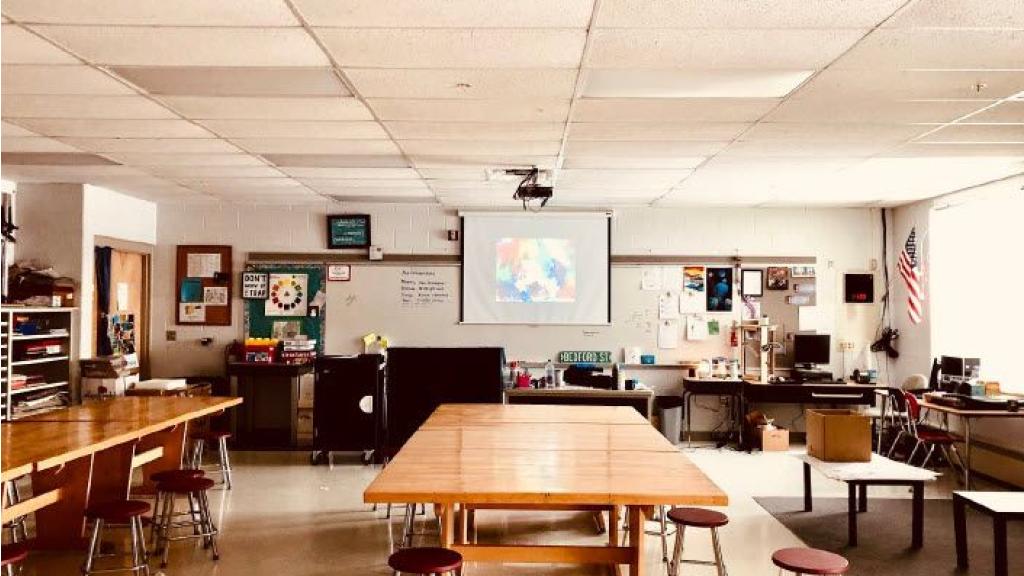
FACT: Students (and adults, too) like to be able to make their own choices. Yet sometimes, when it comes to education, students are guided down the same learning path in hopes they will all reach the same outcome... until they don’t. That’s why I saw a need to change the learning environment in my Creative Arts class.
I found myself developing a choice-based classroom and needed to allow students to scaffold their skillsets through individualized choice based on their interests.
Traditional methods of teaching all students the same content felt antiquated and wouldn’t meet the needs of all students. I was searching for a way to increase engagement and decrease the competitive environment that teacher-directed projects create.
My goal was to have all students develop a baseline for their skills, so they could learn the content, then apply it toward their own learning and choose their own focus. It was important for me to find resources that would allow me to work with as many students as possible and address a wide achievement gap.
As art can be very personal, I found that many students declined to express their abilities for perceived fear of judgment and chose to "check out." This can be true across multiple subjects. I wanted to create an environment where students had choice, felt supported to create, and were able to demonstrate mastery of content in different ways.
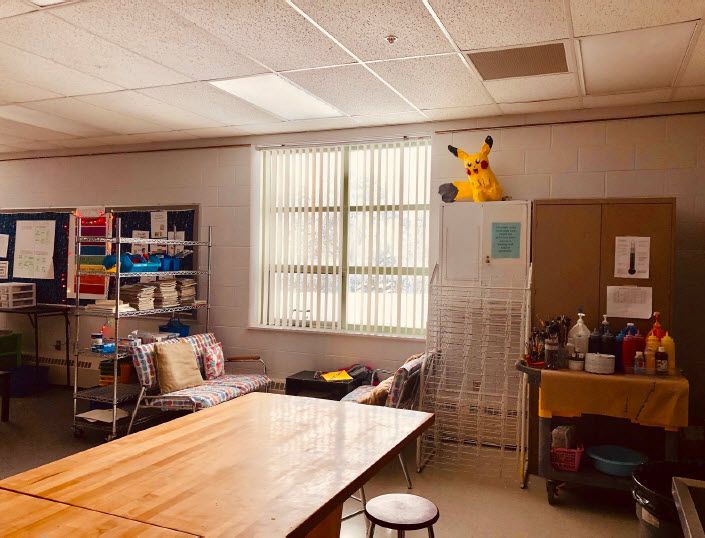
That’s when I stumbled upon the concept of a choice board. Using a choice board (created through Google Docs) has been a wonderful tool in my classroom to promote a more individualized understanding of concepts.
The ability to choose from topics — as well as to make the choice to develop skills based on their own understanding and their preferred direction — has been instrumental in the development of my students. Learning is individualized, and this approach gives students more confidence in what they are doing. It also allows me to move around the room and address individual concerns I might otherwise not have been able to resolve with students.
This tool has helped me move from a teacher-directed classroom to a student-centered atmosphere.
Choice boards have helped improve student learning in my class by empowering students to develop confidence based on their individual needs and choices. I also believe when they are engaged in the learning and know the expected outcomes, they are more reflective and able to self-assess their own learning.
Another tip:
Using Google Forms to collect data allows students to respond to a Likert scale assessment of their own growth. While the data collected is qualitative, I do trust in the ability of the students to assess their own growth given the nature of greater understanding through agency.
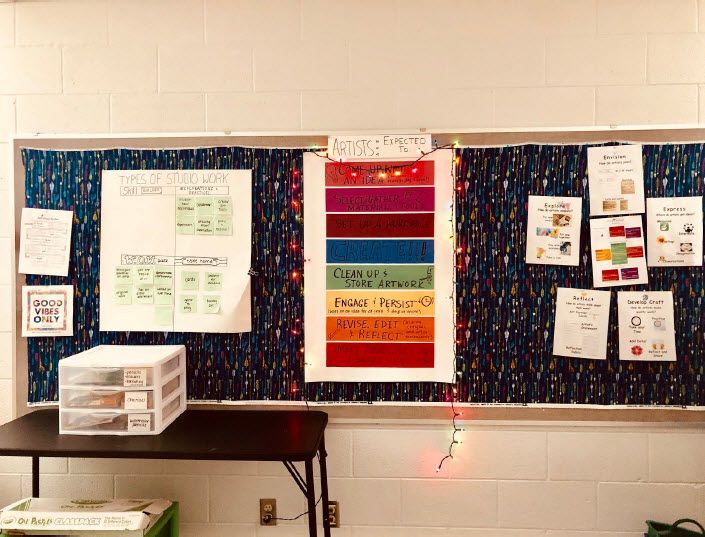
The growth of 21st-century learning skills may need to be assessed over time, as some traits require more than one semester of personal exploration. However, I am quite pleased with even the short-term results that were shown in the focus area of Harvard’s Studio Habits of Mind: Develop Craft, Engage and Persist, Envision, Express, Observe, Reflect, Stretch and Explore, and Understanding the Art World.

Sarah Bedford
Sarah Bedford is a middle school Creative Arts teacher working in Alpena, Michigan. She has been advocating to break the boundaries of Fine Arts in the traditional classroom sense and focus on cultivating creativity, collaboration, and critical thinking using technology and learning through play. The cornerstone of her focus is on developing curriculum focused on synthesizing choice-based arts and makerspaces. She enjoys challenging herself to explore breaking the boundaries of subjective assessment by exploring ways of measuring qualitative data to reflect true personal growth. She also teaches future teachers at a local college, as well as classes at local Art Galleries. In her spare time, she enjoys playing with her three children that are all under 5 (with a set of twins!), exploring watercolors, walking in the woods, and photographing weddings.
Related Posts

From Simple Squares to Sweaters: How One Teacher Uses Crochet to Build Confidence
When Erica Gorzen’s students pick up a crochet hook, they choose their own path. Some make simple squares. Others create sweaters and stuffed toys. As the 2026-2027 Regional Teacher of the Year, this Portland High School art teacher shares how choice-based lessons help her students build confidence, independence, and a love of learning that lasts well beyond the classroom.
Build Trust, Boost Autonomy, & Design Smarter Check-Ins With Students
Strong student relationships don't happen by chance. They happen by design. Discover how structured check-ins can build trust, strengthen student autonomy, and help you create more student-centered learning experiences. Plus, access a free template or earn a SCECH while creating a check-in routine for your classroom.
Revisiting the 5:1 Ratio: Reflecting on a "Magic" Ratio Just Too Tidy to be True
A popular idea in education holds that teachers should aim for five positive interactions for every one corrective one. It spread quickly, cited widely, and seemed to just make sense. There was only one problem: the research behind it was never really about teaching at all.

Everyone Has a Story
Learn how one Michigan educator helps students connect with each other and with the power of storytelling. Back when I began teaching...

The Power of the 5:1 Ratio: How Fostering Positive Interactions Can Transform Student Learning
The 5:1 ratio has completely changed my thinking about interactions in the classroom. It all started with a question about grading. After all, part of our jobs as teachers is to provide corrective feedback to help students grow. The 5:1 ratio helps to ensure that students can receive this feedback effectively. More importantly, however, it can help us be intentional about creating a classroom environment that centers our humanity.

Time for Teachers: Self-Assessment with Community Support as Individual Solutions
Educators often cite a lack of time as one of their most significant stressors. How can we help teachers find the balance necessary to feel satisfied in their jobs and meet their social and emotional needs? This third post in the Time for Teachers blog series will discuss the importance of a self-assessment in addressing individual problems and solutions teachers face. This is not to say the onus of addressing challenges should fall squarely on the shoulders of individual teachers. Teachers need a community of practice and support to help them identify problems they might face individually that could benefit from solutions that come from consulting with colleagues.