
Innovation in Education

This article was originally posted at Passing Notes and is the first in a series for a MOOC on The Innovator’s Mindset #IMMOOC by George Couros.
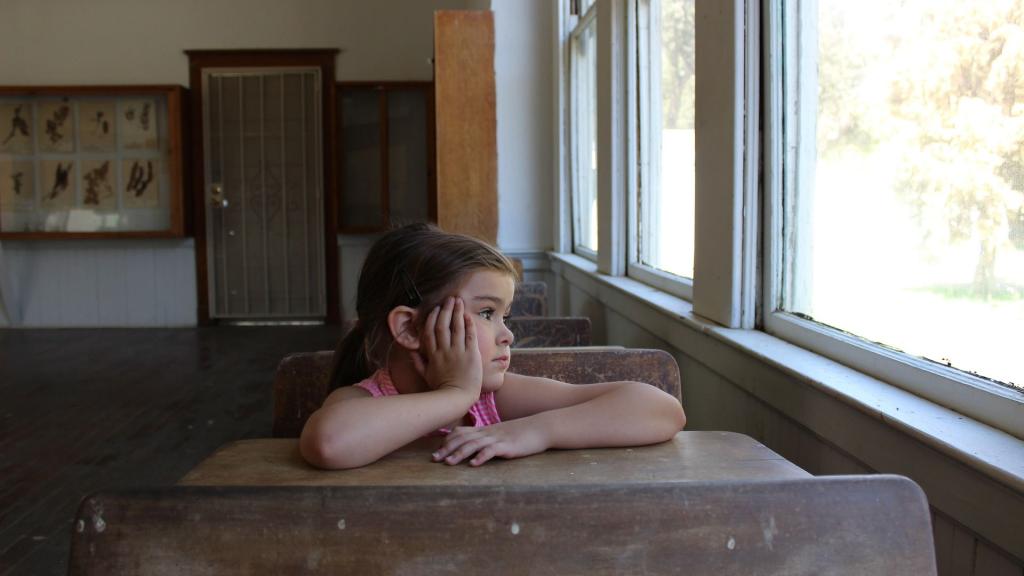
Imagine if a student today time-traveled to the classroom of 1917. Our time-traveling student would be out of place culturally, and yet the classroom itself might not be terribly different. In the classrooms of 2017, chalkboards have been replaced by whiteboards, overhead projectors by LCD projectors or even some type of SMART board, but are students still sitting in rows and turning in worksheets? Or they creating, producing, and collaborating?When one of my own kids brought home a classroom syllabus from school, I felt deflated as I read it. The paper looked as if it had been typed — on a typewriter — decades ago. The teacher had scribbled out percentages on the paper and handwritten over them before sending it through the copy machine. Students will complete 30 homework problems each night (with the answers in the back of the book) — not exactly engaging, transformative, or innovative. I have difficulty imagining that the students in this classroom are inspired to learn more on their own or are looking forward to another day of lectures, rows, and drilled practice.In the introduction of The Innovator’s Mindset, George Couros (@gcouros) writes,
We forget that our responsibility isn’t solely to teach memorization or the mechanics of a task but to spark a curiosity that empowers students to learn on their own.
To wonder.
To explore.
To become leaders.
We forget that if students leave school less curious than when they started, we have failed them.
Why is it so difficult to innovate in education today? Students have access to more information in their pockets than I had in an entire school library, yet they are often told to leave their phones in their lockers, or they’re blocked by school firewalls on all kinds of websites.While some teachers become early innovators in their buildings, it’s rare to see an entire building of innovators. One key difference between a handful of innovators and an entire system that values innovation lies in leadership. Innovative leadership is still uncommon in the world of education. After leaving the face-to-face classroom to work as a lead instructor at Michigan Virtual, my new supervisor told me, “I see my job as being the person to remove barriers for our teachers.” I thought she was messing with me. I’m sure I looked highly skeptical after years of feeling roadblocked in a large public school system. But she was true to her philosophy, and it’s a philosophy I keep at the forefront as I now lead teachers within our organization.What would be possible for classroom teachers if all school leaders took the approach of removing barriers for their teachers? How would that ultimately change a classroom experience for students?

Andrea McKay
Director of Instruction
As an educational leader and learner, Andrea has taught in many environments - face-to-face, blended/hybrid, and fully online. Andrea currently serves as the Director of Instruction, a position that allows her to support and empower an incredible team of teachers who teach online students all over Michigan. Andrea is inspired to work for a non-profit organization where so many employees are impassioned to create positive change in learning and education. One of her key values is ‘making a difference,’ and Michigan Virtual has given her the opportunity to do so for teachers and students around the state.
Related Posts

From Simple Squares to Sweaters: How One Teacher Uses Crochet to Build Confidence
When Erica Gorzen’s students pick up a crochet hook, they choose their own path. Some make simple squares. Others create sweaters and stuffed toys. As the 2026-2027 Regional Teacher of the Year, this Portland High School art teacher shares how choice-based lessons help her students build confidence, independence, and a love of learning that lasts well beyond the classroom.
Build Trust, Boost Autonomy, & Design Smarter Check-Ins With Students
Strong student relationships don't happen by chance. They happen by design. Discover how structured check-ins can build trust, strengthen student autonomy, and help you create more student-centered learning experiences. Plus, access a free template or earn a SCECH while creating a check-in routine for your classroom.
Revisiting the 5:1 Ratio: Reflecting on a "Magic" Ratio Just Too Tidy to be True
A popular idea in education holds that teachers should aim for five positive interactions for every one corrective one. It spread quickly, cited widely, and seemed to just make sense. There was only one problem: the research behind it was never really about teaching at all.

Street Data and Empathy: Revealing What Educators Truly Want from Professional Learning
What do educators actually WANT out of their professional learning experiences? This is a question my colleague Danielle, who contributed...

A Framework for Empathy: 3 steps leaders can follow to center educators’ Needs and Wants
Part 1 of this blog series digs into the results of a survey on what educators need and want from their professional learning experiences. Here in Part 2, we show you the framework we used to create and conduct the survey as well as provide you with ideas for implementing this framework in your own context. Special thanks to my colleague, Danielle Peck, who contributed significantly to this study and the writing of these blogs.

Mastering the email game: Three hacks for getting students to ACTUALLY read & reply to your emails
Discover the art of successful email communication with students. By following these three proven email hacks, you’ll stop sending emails that result in crickets and instead create authentic, engaging digital communications that foster rapport between you and your students.