
It’s not about the tech, but how you use it: a mindset for blended learning
In my district, we continue to work on preparing our students for a changing world. Maintaining positive relationships is always important, but we need to get our students to “learn how to learn.” While the situation may change, that value will always be constant. I discuss with my students that change is continuous. The other constant, though, is being able to solve a problem. If a student “learns how to learn,” they can work through changing variables.
As a teacher, I emphasize real-world applications and “learning how to learn” in all of my classrooms. Preparing students for the real world outside of our classrooms/schools is a significant goal of education. I use a variety of research-based tools in my classroom, including technology, primary and secondary resources, small and large cooperative group work, and relevant/rigorous content.
Technology, along with the incorporation of blended learning, has helped our staff meet the needs of our students in an effective way. We have also been more intentional about the use of our technology and the incorporation of another tool in our toolbox. Tools are great, but asking ourselves why we should implement tools and how it impacts student learning should be considered. Using technology just to say, “we are using technology,” shouldn’t be the goal.
Our students have always craved relevant, real-world applications. High expectations, along with the support that is necessary for students to achieve them, has always been important. This has not changed. I feel that the most significant change has been that students have been put in more situations where they can influence their learning. They are more responsible for creating and using learning tools, which has been aided by the incorporation of blended learning.
Blended learning and the effective incorporation of technology into the classroom has helped students “learn how to learn.” The engagement has increased. Relevancy has increased. Rigor, when done appropriately, has also increased. Learning has been impacted in a positive way.
Education is a career that I am passionate about. I enjoy the big picture of education and look forward to continuing to serve students, their families, and the greater community. The field of education is a noble yet difficult career. Doing our best and inspiring others to do the same is imperative. We owe it to ourselves, the district, the community, and most importantly, we owe it to the students.
Erich Ziegler
Erich Ziegler is a Science and Technology Teacher at Forest Park Schools in Crystal Falls, MI. He is passionate about the big picture of education and looks forward to continuing to serve students, their families, and the greater community. He uses a variety of research-based tools in his classroom, including technology, primary and secondary resources, small and large cooperative group work, and relevant/rigorous content.
Related Posts
From Simple Squares to Sweaters: How One Teacher Uses Crochet to Build Confidence
When Erica Gorzen’s students pick up a crochet hook, they choose their own path. Some make simple squares. Others create sweaters and stuffed toys. As the 2026-2027 Regional Teacher of the Year, this Portland High School art teacher shares how choice-based lessons help her students build confidence, independence, and a love of learning that lasts well beyond the classroom.
Build Trust, Boost Autonomy, & Design Smarter Check-Ins With Students
Strong student relationships don't happen by chance. They happen by design. Discover how structured check-ins can build trust, strengthen student autonomy, and help you create more student-centered learning experiences. Plus, access a free template or earn a SCECH while creating a check-in routine for your classroom.
Revisiting the 5:1 Ratio: Reflecting on a "Magic" Ratio Just Too Tidy to be True
A popular idea in education holds that teachers should aim for five positive interactions for every one corrective one. It spread quickly, cited widely, and seemed to just make sense. There was only one problem: the research behind it was never really about teaching at all.
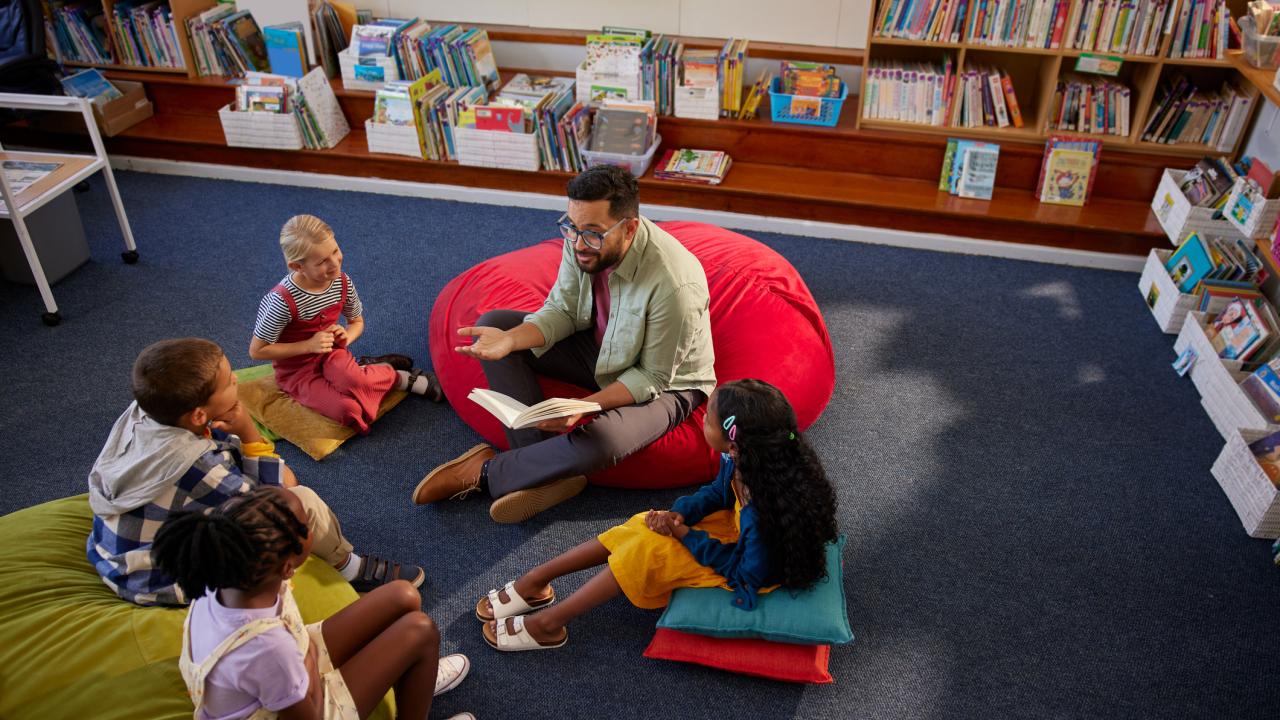
Everyone Has a Story
Learn how one Michigan educator helps students connect with each other and with the power of storytelling. Back when I began teaching...
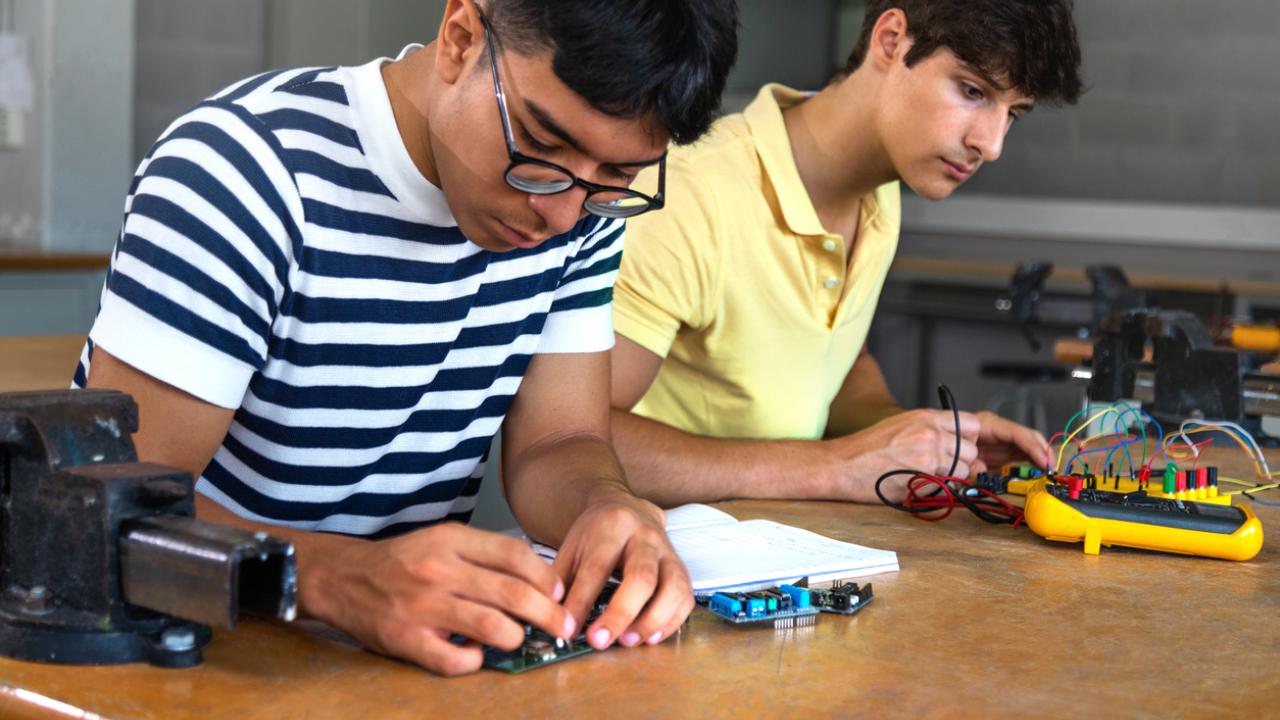
Project-Based Learning and Competency-Based Education Work Together at FlexTech: An Interview with an Educator
By blending project-based learning with competency-based education, FlexTech aims to provide a personalized path to graduation, meeting both academic standards and students’ personal growth goals.
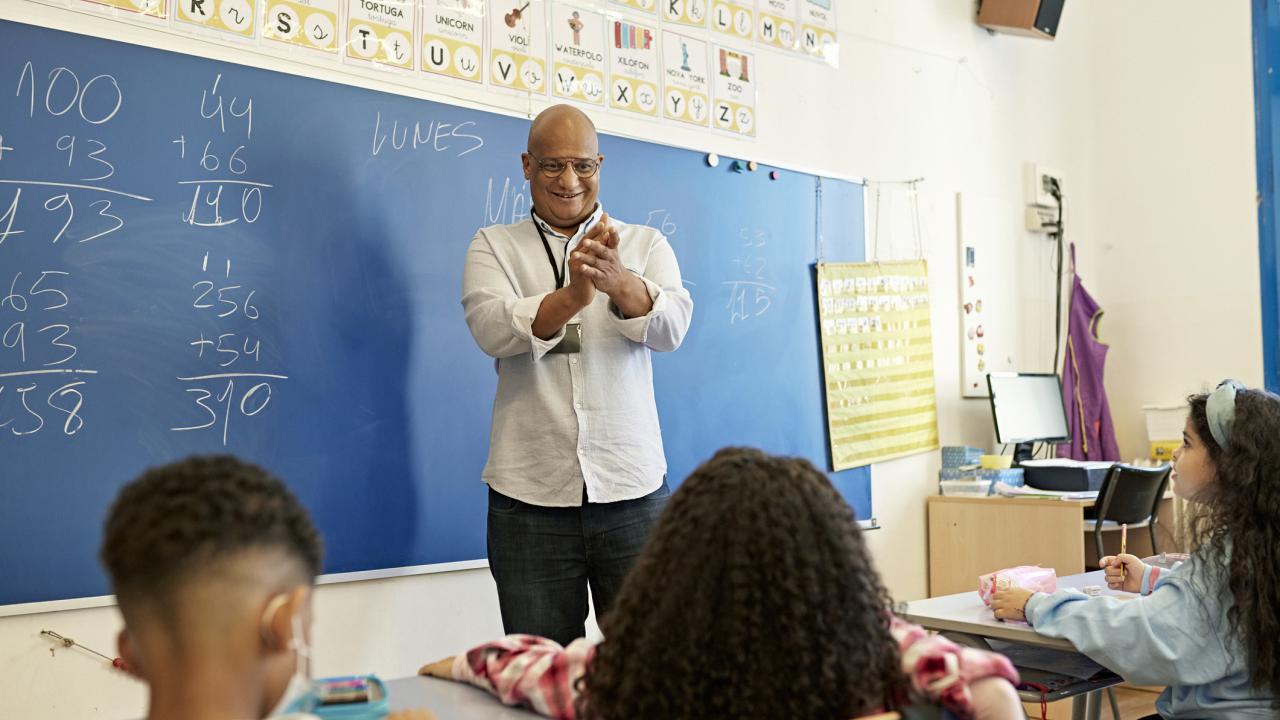
The Power of the 5:1 Ratio: How Fostering Positive Interactions Can Transform Student Learning
The 5:1 ratio has completely changed my thinking about interactions in the classroom. It all started with a question about grading. After all, part of our jobs as teachers is to provide corrective feedback to help students grow. The 5:1 ratio helps to ensure that students can receive this feedback effectively. More importantly, however, it can help us be intentional about creating a classroom environment that centers our humanity.